
Accounting and Key Figures
What is liquidity? How to assess solvency
Liquidity describes a business's ability to pay bills and other obligations when they fall due. A company can be profitable on paper, but still encounter problems if its funds are tied up in inventory, unpaid invoices,
3 min read · Translated from Norwegian. Read the original
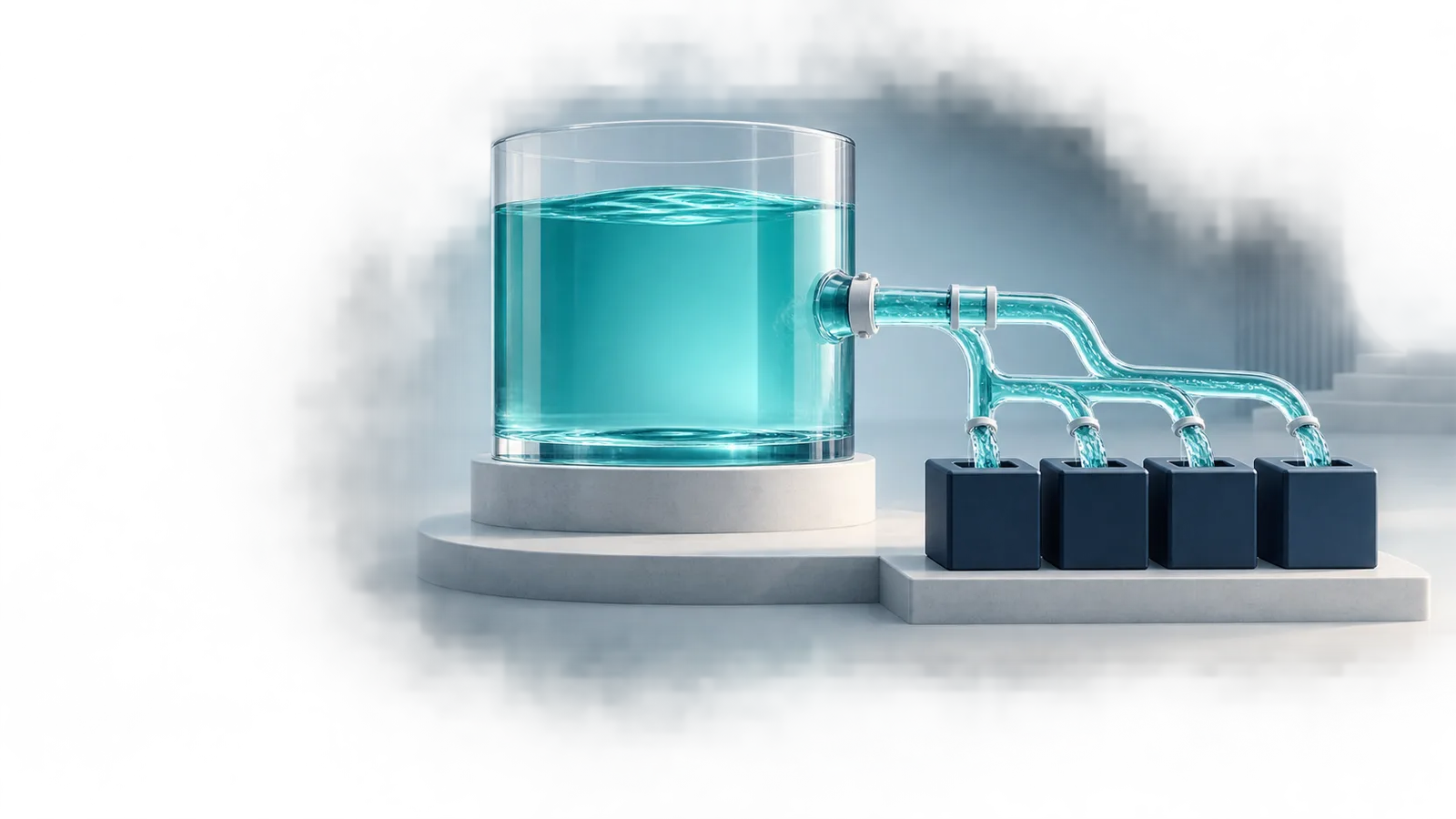
Liquidity describes a business's ability to pay bills and other obligations when they fall due. A company can be profitable on paper, but still encounter problems if its funds are tied up in inventory, unpaid invoices, or long-term assets.
Good liquidity management is therefore about timing: When do funds come in, and when do they need to go out?
The difference between liquidity and profitability
Profitability shows whether revenues exceed costs over a period. Liquidity is about available funds at specific times.
A construction company might have a profitable project, but still need to pay wages and materials long before the client pays. A trading company might have significant inventory value without enough cash in its bank account. Both can experience poor liquidity even with a positive operating result.
Liquidity Ratio 1
Liquidity Ratio 1 compares current assets with current liabilities:
Liquidity Ratio 1 = current assets / current liabilities
Current assets can include bank deposits, accounts receivable, and inventory. A value of 1.5 means the company has NOK 1.50 in recorded current assets for every NOK 1 of current liabilities.
There is no universal limit that suits all businesses. The quality of inventory, customer payment terms, seasonal variations, and the industry's financing model are all highly significant.
Liquidity Ratio 2
Liquidity Ratio 2 normally excludes inventory from current assets:
Liquidity Ratio 2 = (current assets − inventory) / current liabilities
This can provide a stricter picture because goods often take time to be sold and paid for. For service businesses without significant inventory, Liquidity Ratios 1 and 2 may be almost identical.
Example
| Item | Amount |
|---|---|
| Cash and bank | NOK 600,000 |
| Accounts receivable | NOK 900,000 |
| Inventory | NOK 500,000 |
| Current liabilities | NOK 1,250,000 |
Current assets total NOK 2 million. Liquidity Ratio 1 is 1.60. Liquidity Ratio 2 is 1.20.
These figures appear acceptable in isolation, but the assessment depends on whether customers pay, whether inventory can be sold, and when debts fall due.
Signs of liquidity pressure
- Suppliers are paid after the due date
- Taxes and duties remain unpaid
- The overdraft facility is used permanently
- Accounts receivable grow faster than sales
- Inventory increases without a corresponding turnover
- The company relies on shareholder loans
- Current liabilities finance long-term investments
A single key figure doesn't capture everything. Cash flow and payment patterns often provide earlier signals than annual financial statements.
How to improve liquidity?
Possible measures include invoicing sooner, reducing credit periods, following up on overdue claims, arranging instalment payments, improving inventory management, and planning payments. Financing can provide breathing room, but it doesn't solve operational issues where the business consistently spends more money than it generates.
Create a rolling liquidity budget with expected inflows and outflows. Update it frequently when the financial situation is tight.
How Proffi should present liquidity
Proffi should show:
- Liquidity Ratios 1 and 2 with the formula
- Financial year and currency
- Development over several years
- Current assets and current liabilities behind the calculation
- Comparison with relevant industries
- Clear text stating that the metric is not a credit assessment
Avoid absolute labels without context. "Weak", "medium", and "strong" must have transparent thresholds and explanations.
Frequently asked questions
- What is good liquidity?
- It depends on the industry, payment patterns, and the quality of current assets. Compare with similar businesses and observe trends over time.
- Can a company have a negative result and good liquidity?
- Yes, temporarily. The company may have a lot of cash after capital injections, loans, or asset sales. However, persistent deficits will normally weaken liquidity.
- Is cash in the bank account enough to assess liquidity?
- No. Future inflows, debt, credit limits, and maturity structure must also be considered.